Posts

Showing posts with the label orthodontic emergencies

Pain Relief with Dental Wax

Image
Fairwood and Mercer Island Orthodontics When you first get your braces , you may notice that your teeth and mouth feel a little tender or sore. This is perfectly normal, and we promise your mouth will not be sore forever! Discomfort and soreness are normal especially after receiving orthodontic treatment of any kind…This is where dental wax comes in. What is Dental Wax? Also referred to as Tooth Wax, Dental Wax is a substance made from paraffin, beeswax, or carnauba wax. It's solid at room temperature but softens from the warmth of your hands. It sticks to sharp surfaces inside your mouth and creates a smooth surface. Dental wax's primary use is to protect the mouth's sensitive areas such as the gums, lips, and cheek lining. Is Dental Wax Safe? Orthodontic dental wax is a natural, non-toxic product and is safe to have in your mouth. Accidentally swallowing a little bit of wax will not cause you any harm or sickness. How Does Dental Wax Work? The unique properties o...
Handling Orthodontic Issues at Home

Image
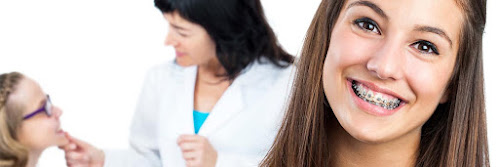
Chorak Orthodontics Even though you are careful, you may occasionally damage your braces or orthodontic appliance . While there are steps you can take to temporarily fix or alleviate discomfort and prevent additional damage, you should always notify our office if you have any issues or concerns. At Chorak Orthodontics , we want our patients to be informed of problems that may occur, and understand how to solve them, at least temporarily, until it is possible to return to our office. With the tools and supplies listed below, you will be prepared to handle the most common orthodontic issues at home. Your Orthodontic Emergency Tool Box: Orthodontic Wax Dental Floss Tweezers Q-tips Salt Interproximal Brush Toothpicks Non-prescription Pain Reliever Topical Anesthetic   Below are some typical orthodontic issues and how you can solve them: Discomfort - It’s normal to have some initial discomfort during orthodontic treatment as your teeth move. Rinsing your ...

Chewing Ice is Bad for Your Teeth

Image
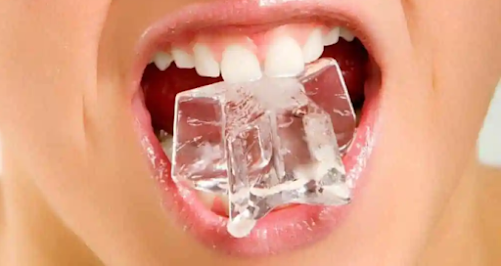
Chorak Orthodontics Chewing ice is an incredibly common habit. Some people chew on ice after finishing a drink, while others do it to cool off in the summer heat. No matter what the reason people chew ice, just like many other hard foods, chewing ice can cause cracked or chipped teeth. It can also damage your enamel, causing increased sensitivity to hot and cold leaving you more prone to tooth decay and cavities. Chewing ice can even damage existing dental work like fillings, crowns, and veneers creating expensive trips to your local dentist. If you wear braces, have a retainer, or an expander , chewing ice makes you particularly vulnerable to tooth damage. Why Chewing Ice Can be Dangerous Destroyed Orthodontic Appliances - Orthodontic appliances like braces and retainers play a vital role in developing healthy smiles. Despite their sturdy construction, chewing ice can cause severe damage to brackets, wires and other appliances resulting in extra visits to our office and de...

Does Yawning Make Your Jaw Hurt?

Image
Chorak Orthodontics As a Certified Specialist in Orthodontics, Dr. Mario Chorak doesn’t just make amazing looking smiles, he also deals with the bite as a whole…including the jaw. If you touch your face right in front of your ear while opening and closing your jaw, you will feel your temporomandibular joint at work. When your temporomandibular joint working as it should, you can yawn or take a big bite of your favorite food without any issues. When your temporomandibular joint is off, yawning and opening your mouth wide can cause serious pain. The temporomandibular joint (TMJ) is a joint that connects the lower jaw to the temporal bone on either side of the face. This joint is capable of hinging and sliding motions, allowing us to shift our jaw side to side and forward and back when doing things like chewing, yawning, and talking. While people often refer to problems with the joint as TMJ, that is the name for the joint itself and TMJ pain is actually a TMJ disorder and part of a ...

You Might have Gum Disease

Image
Chorak Orthodontics More than 80 percent of Americans are living with periodontal or gum disease, which most often than not, goes unnoticed. At Chorak Orthodontics our goal is to continually raise awareness of the prevalence of gum disease while encouraging patients to take an active role in better oral health through prevention, diagnosis, and treatment. Gum disease is something that most people will experience at some point in their lives. But because the symptoms of gum disease are subtle and painless, most people just shrug it off. If gum disease is left untreated, the consequences could be severe.   Gum disease has been linked to a host of general medical problems, including: Heart disease, Endocarditis, Lung problems, Alzheimer’s disease, Colorectal cancer, and Diabetes. According to the AmericanAssociation of Periodontology (AAP) , you may have gum disease if: Your gums are red, swollen, and sore to the touch.  Your gums bleed when you eat, brush or floss. ...

Orthodontic Emergencies

Image
Chorak Orthodontics Most orthodontic emergencies are relatively minor, and you may be surprised to learn that you may be able to temporarily solve many emergencies yourself until you can schedule an appointment with our office. If you ever find yourself in what you believe to be an orthodontic emergency , the first step is to determine the severity of the problem: is it really a true emergency or is it a less serious issue that you can fix yourself? Below are three common orthodontic emergencies you may be able to take care of at home, prior to scheduling a visit to our orthodontic office . Poking Wires: If a poking wire is causing irritation, push the wire back and away using the eraser end of a pencil or a Q-tip. If the wire cannot be tucked away, cover the end of the wire with a small piece of wax or a cotton ball until you can see us for an adjustment. Loose Brackets: If a bracket becomes loose, it usually remains connected to the main wire by a little colored rubber ring ...